SB-721 Compliance: What California Property Owners and HOAs Should Know
California's SB-721 addresses the inspection and maintenance of exterior elevated elements on multifamily buildings. If you own or manage a building with three or more dwelling units, understanding this legislation is important for maintaining compliance and ensuring the safety of the structure.
What SB-721 Covers
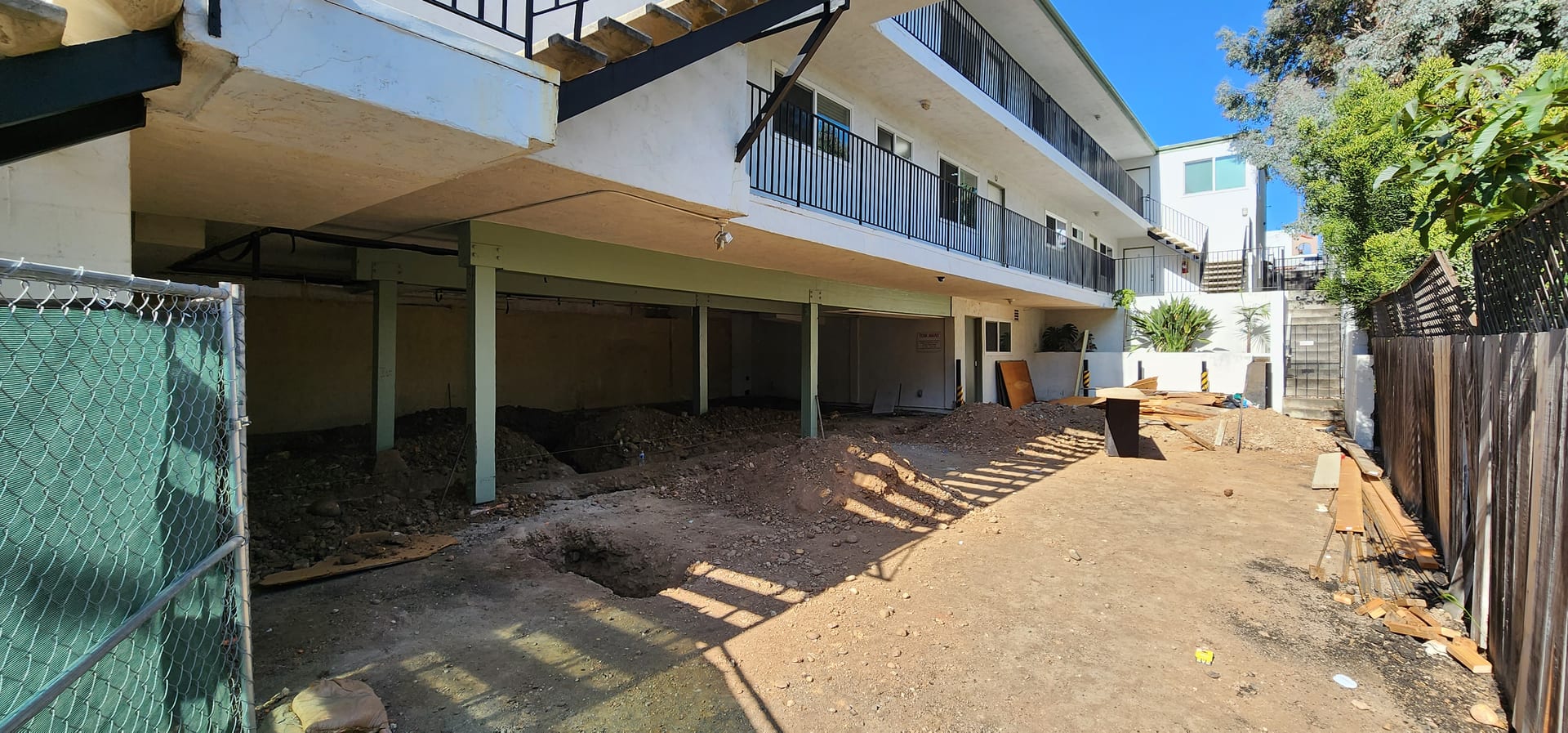
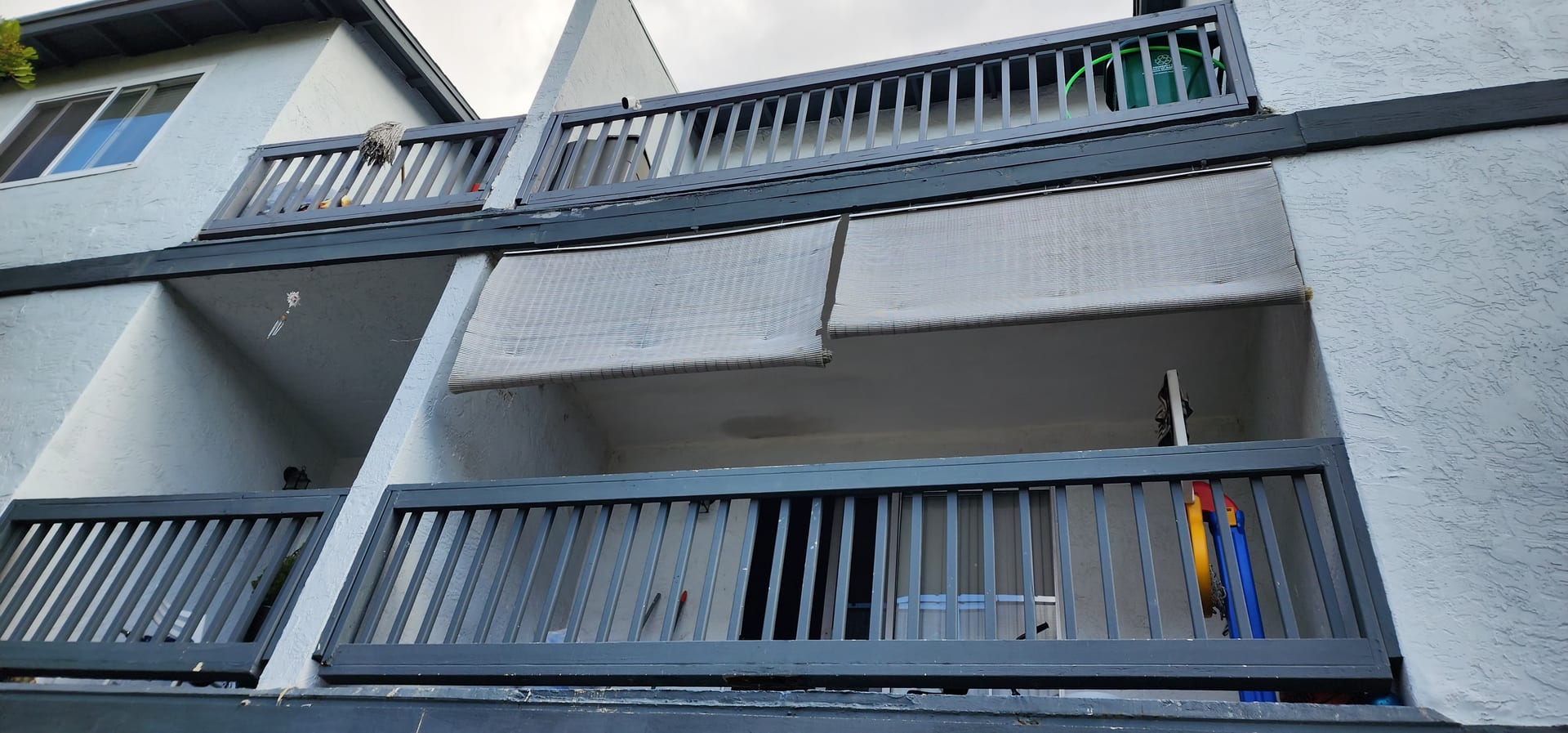
SB-721 requires inspections of exterior elevated elements that are more than six feet above ground and rely on wood or wood-based structural support. This includes balconies, decks, elevated walkways, and stairways. The inspections focus on the structural integrity of load-bearing components, including joists, beams, ledger boards, posts, and associated waterproofing systems.
Who Is Required to Comply
The law applies to buildings with three or more multifamily dwelling units. This includes apartment complexes, condominium buildings, and mixed-use properties with residential units. Single-family homes, duplexes, and commercial-only buildings are generally not subject to SB-721. Property owners should consult with qualified legal counsel to confirm whether their specific property falls under the requirements, as interpretations and local enforcement may vary.
Inspection Requirements
Inspections must be performed by a licensed architect, licensed civil or structural engineer, or a certified building inspector or contractor with relevant training and certification. The inspector evaluates the condition of load-bearing components, connections, and waterproofing systems and produces a report documenting their findings.
What Happens When Issues Are Found
If an inspection reveals conditions that require repair, the property owner is responsible for correcting the deficiencies. The scope of repair varies depending on the severity of the findings. In some cases, it may involve waterproofing membrane replacement. In others, structural reinforcement or full rebuild of the elevated element may be needed. Repairs should be completed by a qualified contractor and documented for recordkeeping purposes.
How to Prepare
Start by identifying all exterior elevated elements on your property that may fall under SB-721. Review existing maintenance records and any previous inspection reports. Engage a qualified inspector well in advance of compliance deadlines to avoid scheduling backlogs. If repairs are anticipated, build time and budget into your planning.
Working with Your Contractor
A contractor experienced in SB-721 work can provide both the inspection and the repair scope under one engagement, which simplifies coordination and communication. Look for a team that includes qualified inspectors and has a track record of completing structural repairs on multifamily buildings.
SB-721 compliance is an ongoing responsibility for affected property owners. Proactive inspection and timely repairs help maintain safe conditions and demonstrate responsible building management. For questions about your specific obligations, consult with qualified legal counsel familiar with California building law.