ADU Construction in California: What Property Owners Need to Know Before Building
Accessory dwelling units have become one of the most common construction projects in California, driven by state legislation that has streamlined the approval process and expanded where ADUs can be built. Whether you are considering a detached backyard unit, a garage conversion, or a junior ADU within your existing home, there are several key factors to understand before you start.
Types of ADUs
California recognizes three general types of ADUs: detached units built as standalone structures on your property, attached units that share at least one wall with the primary residence, and junior ADUs (JADUs) created within the existing footprint of the primary home. Garage conversions fall into the attached or detached category depending on the structure. Each type has different cost implications, permitting requirements, and design constraints.
Zoning and Permitting
California state law has significantly reduced local barriers to ADU construction. Most single-family and multi-family residential properties are now eligible for at least one ADU. However, local jurisdictions still have authority over certain aspects of the process, including design review, setback requirements, and utility connection standards. The permitting timeline varies by city and county, typically ranging from 4 to 12 weeks for plan review and approval.
Budgeting Realistically
One of the most common mistakes property owners make is underestimating the total cost of an ADU. The construction cost is only one piece of the budget. You also need to account for design and engineering fees, permit fees, utility connection charges, site work, and landscaping. A detached new-build ADU in Southern California generally falls in the range of $150,000 to $350,000 or more, depending on size and finishes. Garage conversions are typically less expensive but still require meaningful investment.
Design and Layout Considerations
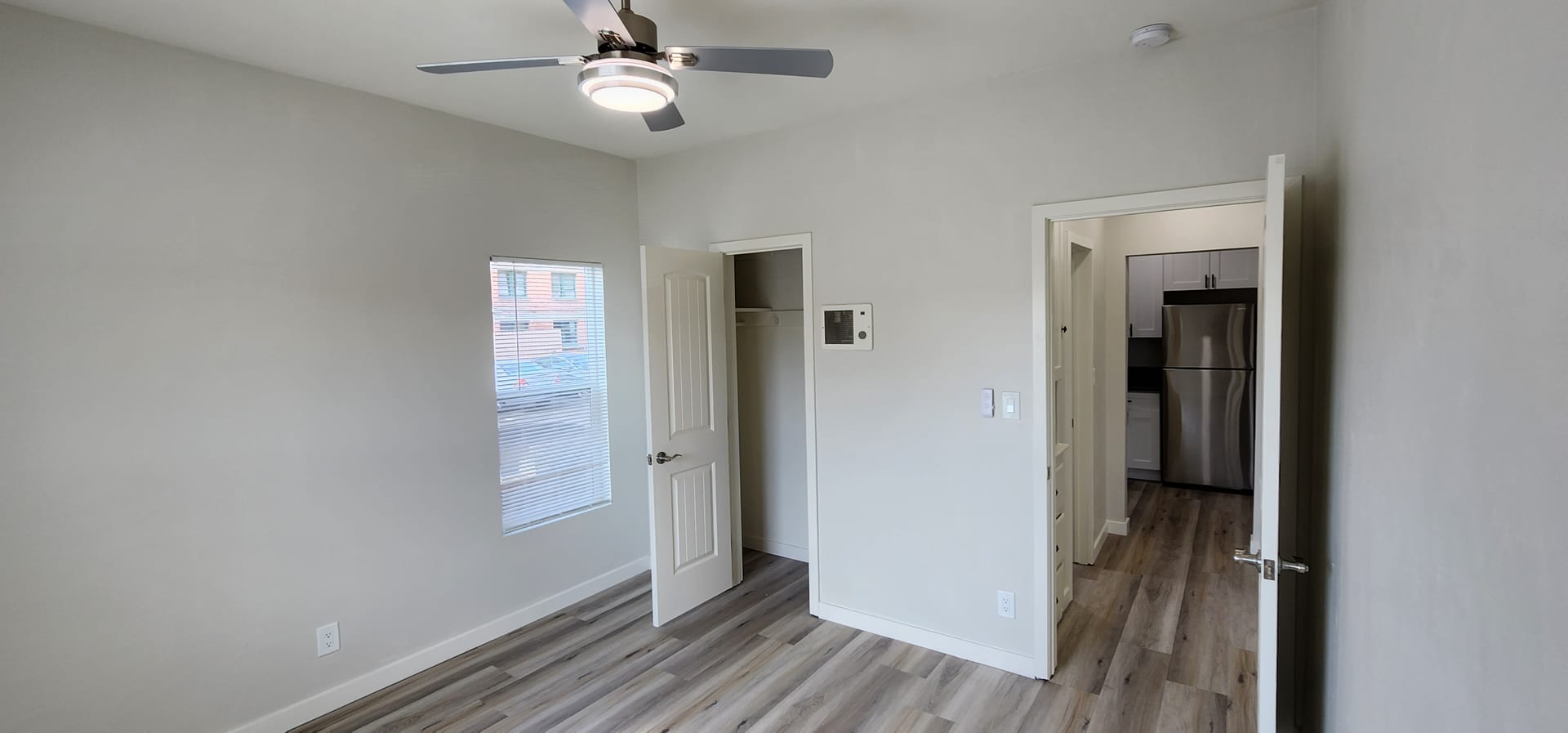
An ADU does not need to be large to be functional. Thoughtful layout design can make a 500 sq ft unit feel comfortable and practical. Prioritize efficient use of space, adequate storage, natural light, and good ventilation. If the unit is intended for rental income, consider what tenants value most: a functional kitchen, in-unit laundry, private outdoor space, and a separate entrance.
Utility Connections and Site Work
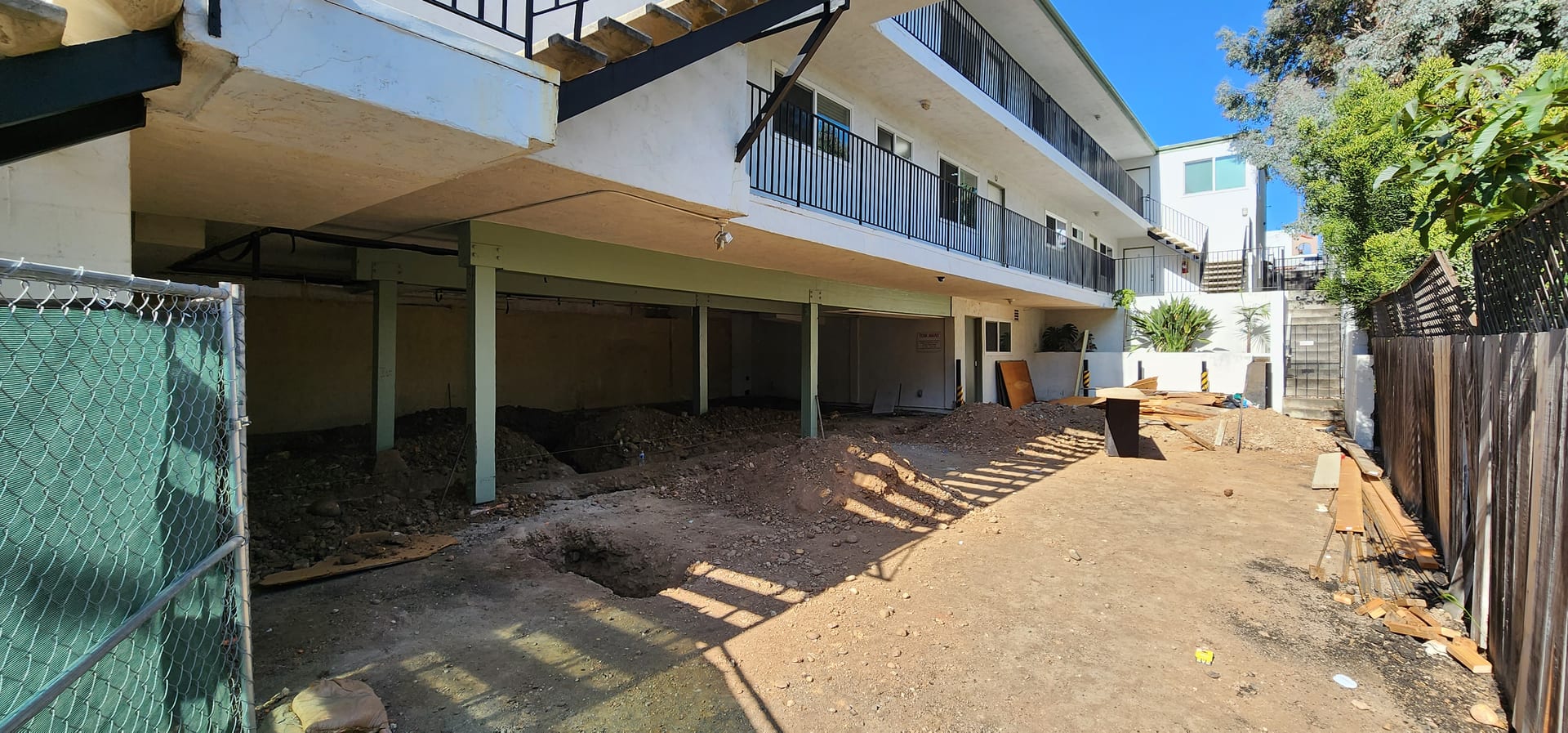
New ADUs typically require connections to water, sewer, gas, and electrical service. In some cases, existing utility infrastructure is sufficient to support the additional unit. In others, upgrades to the main panel, new sewer laterals, or separate meters may be required. Site work, including grading, drainage, and access paths, can also add to the scope and cost. A qualified contractor should evaluate these requirements early in the planning process.
Construction Timeline
A typical ADU construction project takes 4 to 7 months from permit issuance to certificate of occupancy, depending on the size, complexity, and weather conditions. Adding the design, engineering, and permitting phases, the total timeline from initial decision to move-in is often 9 to 14 months. Setting realistic expectations upfront helps avoid frustration during the process.
Choosing a Contractor
Work with a licensed general contractor who has direct experience building ADUs in your area. Ask for references, review completed projects, and make sure they handle permit coordination and inspections as part of their scope. A good contractor will walk you through the process, provide a detailed estimate, and communicate proactively throughout the build.
Building an ADU is a significant investment, and getting it right starts with good information and a solid plan. If you are considering an ADU on your property, reach out to discuss your options and get a realistic assessment of what the project will involve.