Renovation Strategy for Investment Properties: Maximizing Returns Without Overspending
Renovating an investment property is fundamentally different from remodeling your own home. Every decision filters through a return-on-investment lens. The goal is to improve the property enough to achieve your target sale price or rental rate without overcapitalizing. Here is how to approach it strategically.
Define Your Exit Strategy First
Before you determine a renovation scope, you need to know your exit strategy. Are you flipping the property for resale? Holding it as a rental? Refinancing based on improved value? Each strategy calls for a different level of finish and a different budget. A flip in a competitive market may warrant higher-end finishes. A long-term rental needs durable, low-maintenance materials. Know your end goal before you set your budget.
Establish a Firm Budget
Investment renovations live and die on the budget. Start with your acquisition cost, add your estimated renovation budget, factor in holding costs (mortgage, insurance, utilities, taxes), and compare the total to your target exit value. Your renovation budget needs to leave enough room for profit after all costs. A common pitfall is allowing scope creep to erode margins. Set the budget, build in a contingency of 10 percent, and hold the line.
Focus on High-Impact Improvements
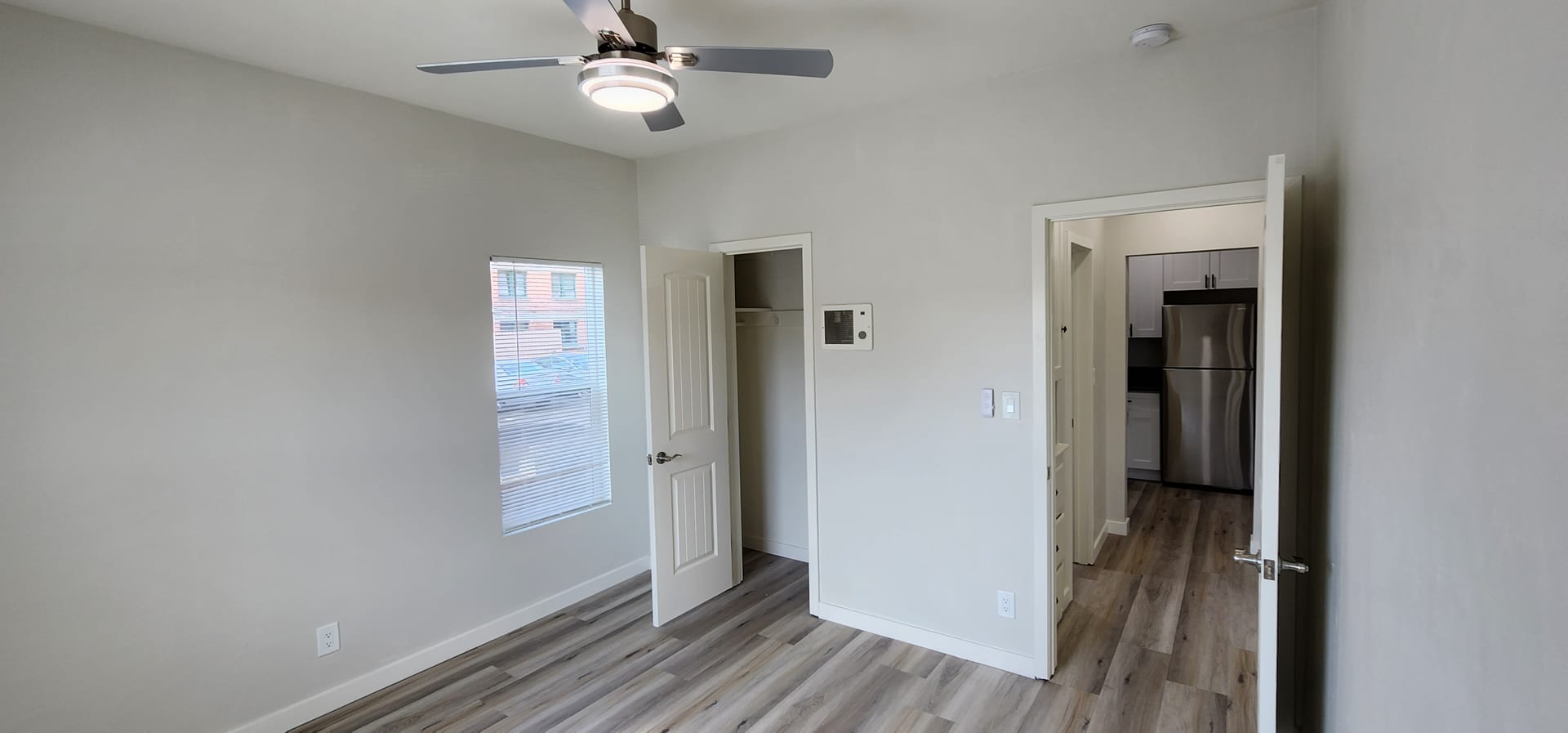
Not all renovations deliver equal value. In most markets, the highest-impact improvements for investment properties include kitchen and bathroom updates, new flooring, fresh interior and exterior paint, updated light fixtures and hardware, and improved curb appeal. These items are visible, affect the buyer or tenant experience directly, and cost less than structural or mechanical upgrades.
Know When to Go Beyond Cosmetic
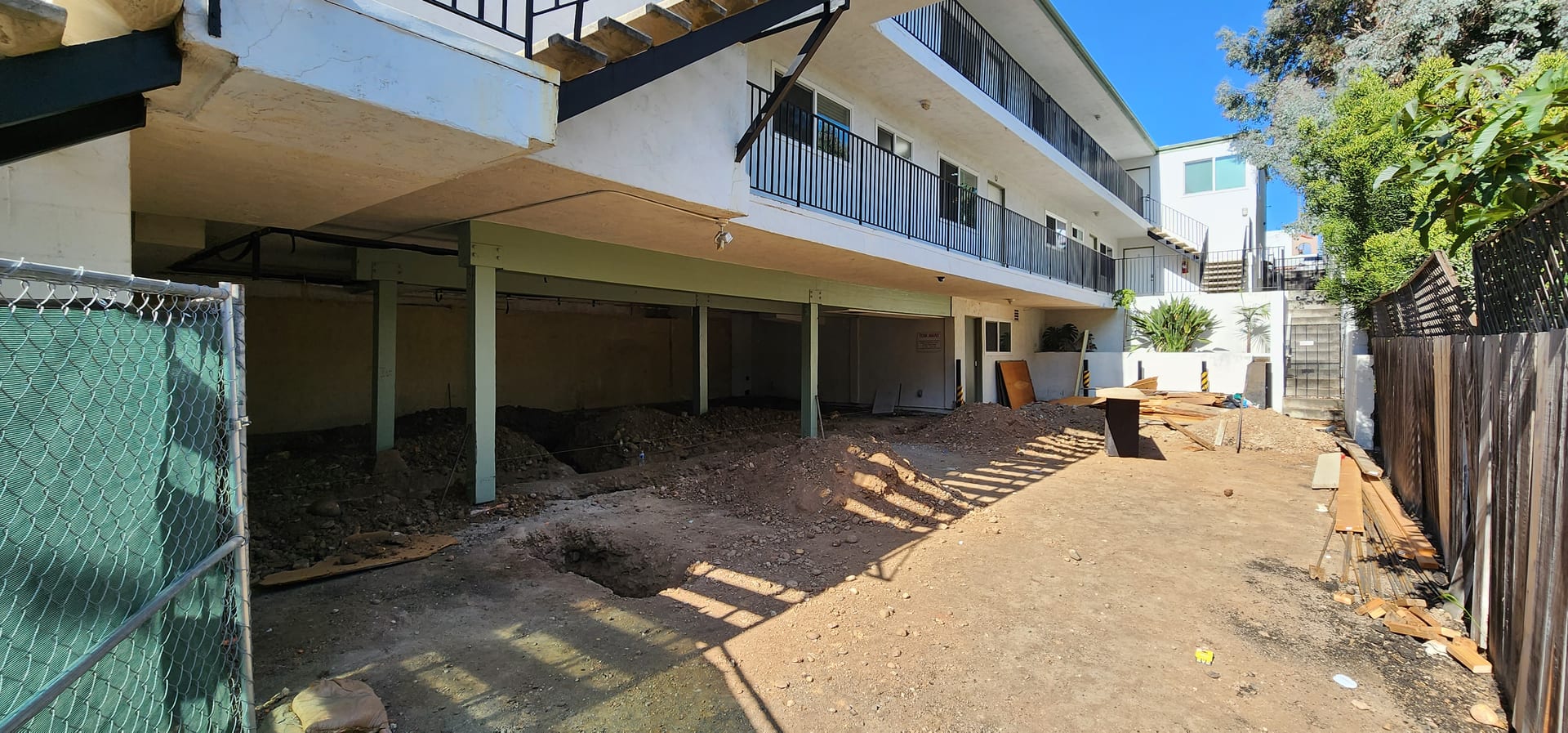
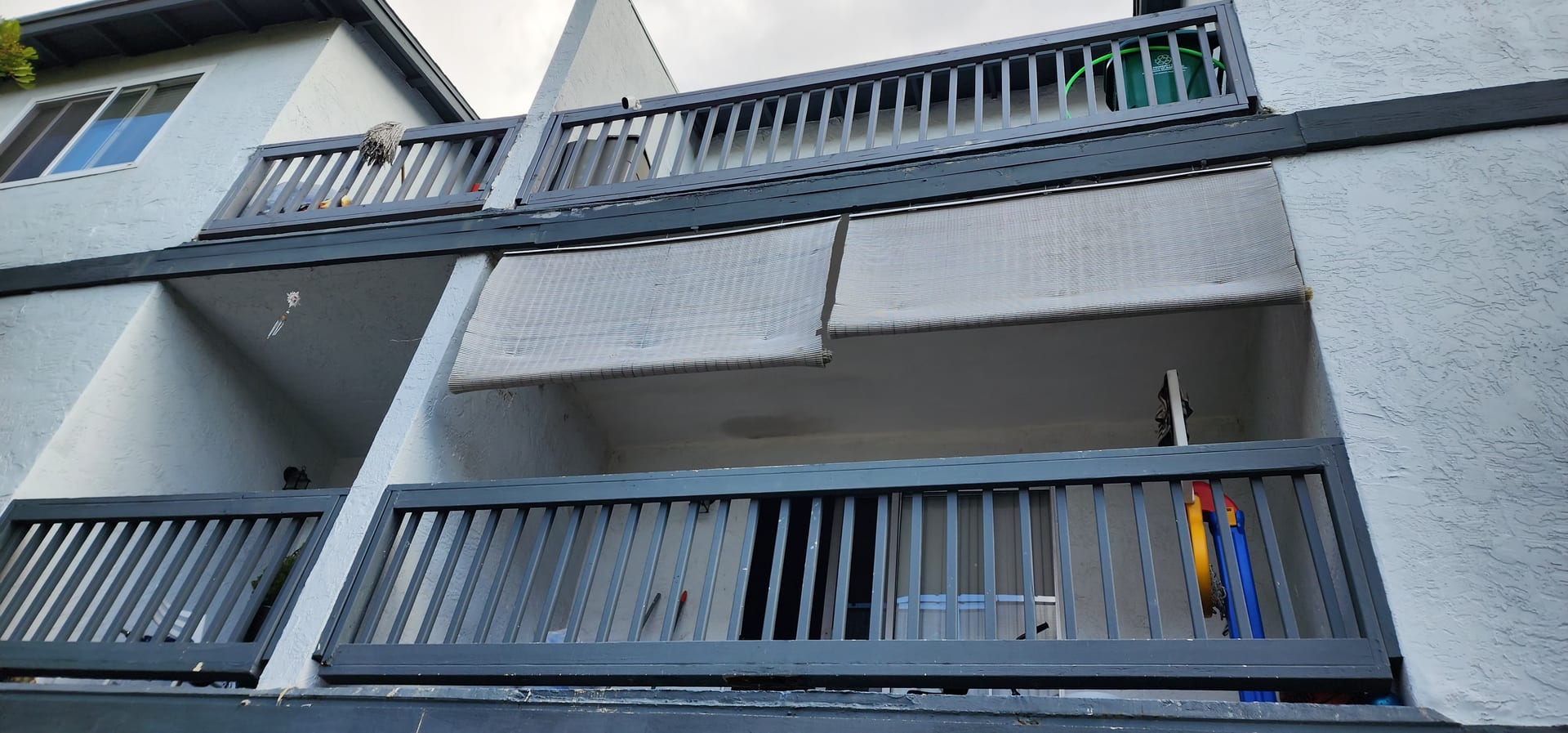
Some properties need more than a surface refresh. If the electrical panel is outdated, the plumbing is corroded, or the roof is at end of life, skipping those items creates risk. Deferred maintenance on critical systems can kill a deal during inspection or lead to expensive problems for tenants. Address safety and mechanical issues first, then allocate remaining budget to cosmetic improvements.
Material Selection for Investors
The materials you choose for an investment property should balance appearance, durability, and cost. Luxury vinyl plank flooring is durable and cost-effective. Shaker-style cabinets in white or gray photograph well and appeal to a broad audience. Quartz or laminate countertops offer good looks without the price tag of natural stone. Choose materials that look good, install efficiently, and hold up over time.
Manage the Timeline
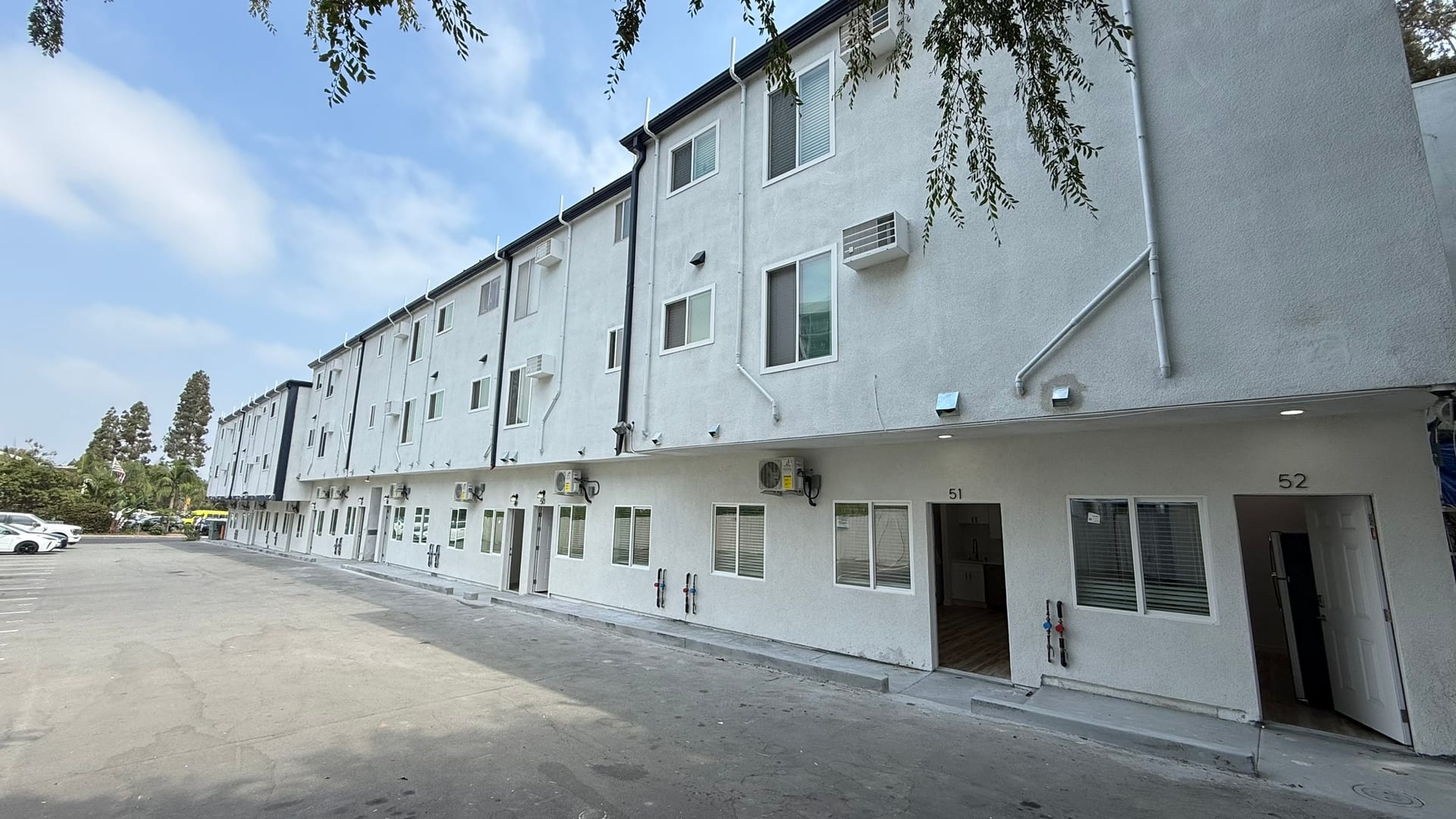
Every day the property sits in renovation is a day of holding cost. Work with a contractor who understands investor timelines and can schedule the work efficiently. A well-organized renovation on a typical single-family property should take 4 to 10 weeks depending on scope. Multi-unit projects require staggered scheduling to maintain partial occupancy when possible.
Build a Reliable Team
Consistency matters when you are doing multiple projects. Find a general contractor who understands the investor mindset, delivers reliable estimates, and communicates proactively. A contractor who treats your fifth project with the same attention as your first is worth their weight in materials.
Investment renovation is a discipline. The returns come from smart planning, controlled spending, and efficient execution. Get those right, and the numbers take care of themselves.