Considering a Home Addition? Key Factors to Evaluate Before You Build
When your home no longer has the space you need, a home addition can be a practical solution. But building onto an existing structure involves more complexity than a standalone new build. Here are the key factors to evaluate before you commit.
Zoning and Setback Requirements
Before you plan the addition, you need to know what your property allows. Local zoning codes dictate maximum lot coverage, building height, setback distances from property lines, and floor area ratio (FAR). These constraints determine how much you can add and where it can go. A site review early in the process identifies these limits so you can design within them.
Structural Considerations
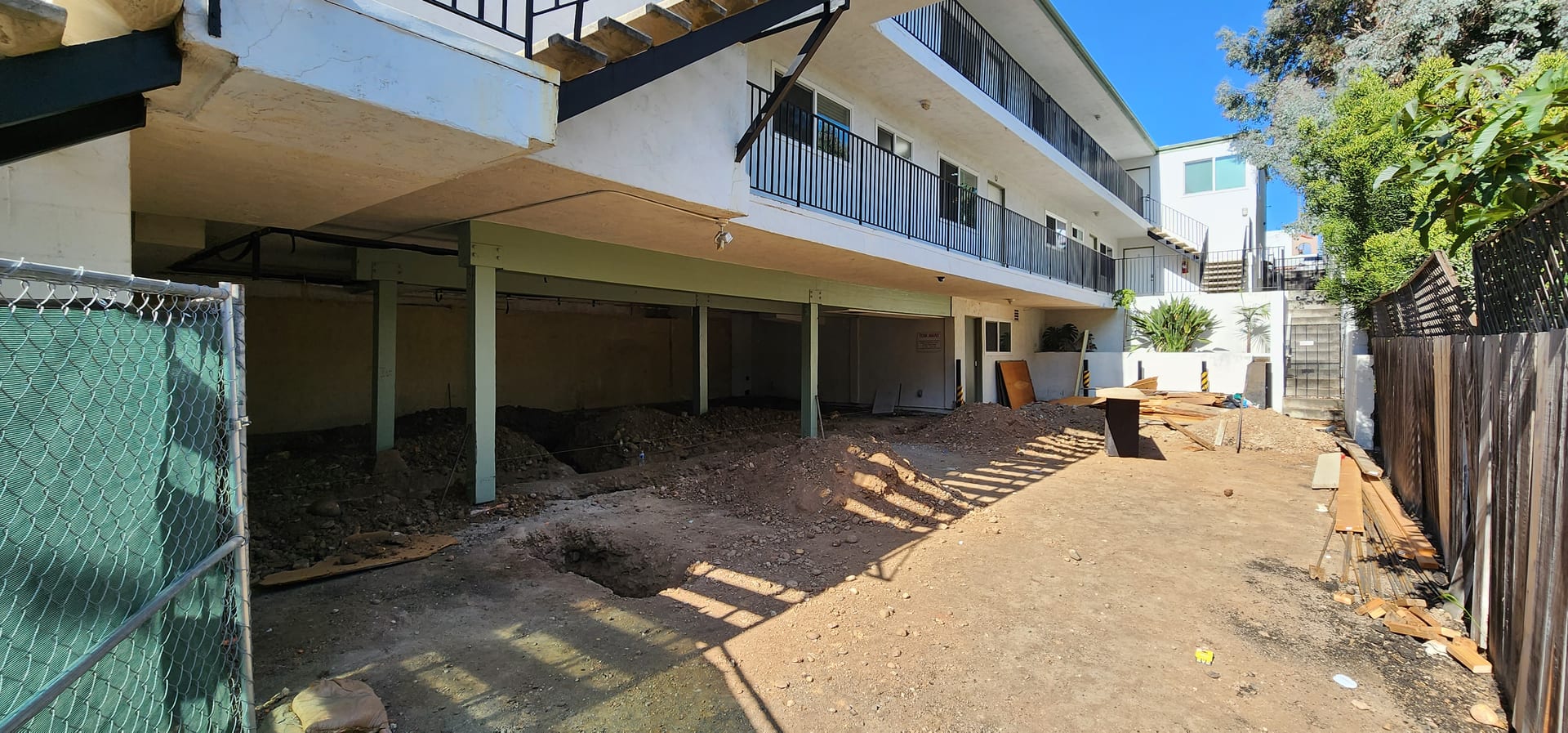
Adding onto an existing home means tying new construction into old. If you are building a second story, the existing foundation and first-floor framing need to be evaluated to confirm they can support the additional load. If they cannot, reinforcement work adds to the scope and cost. Even a single-story addition requires careful structural integration at the connection point between old and new.
Matching the Existing Home
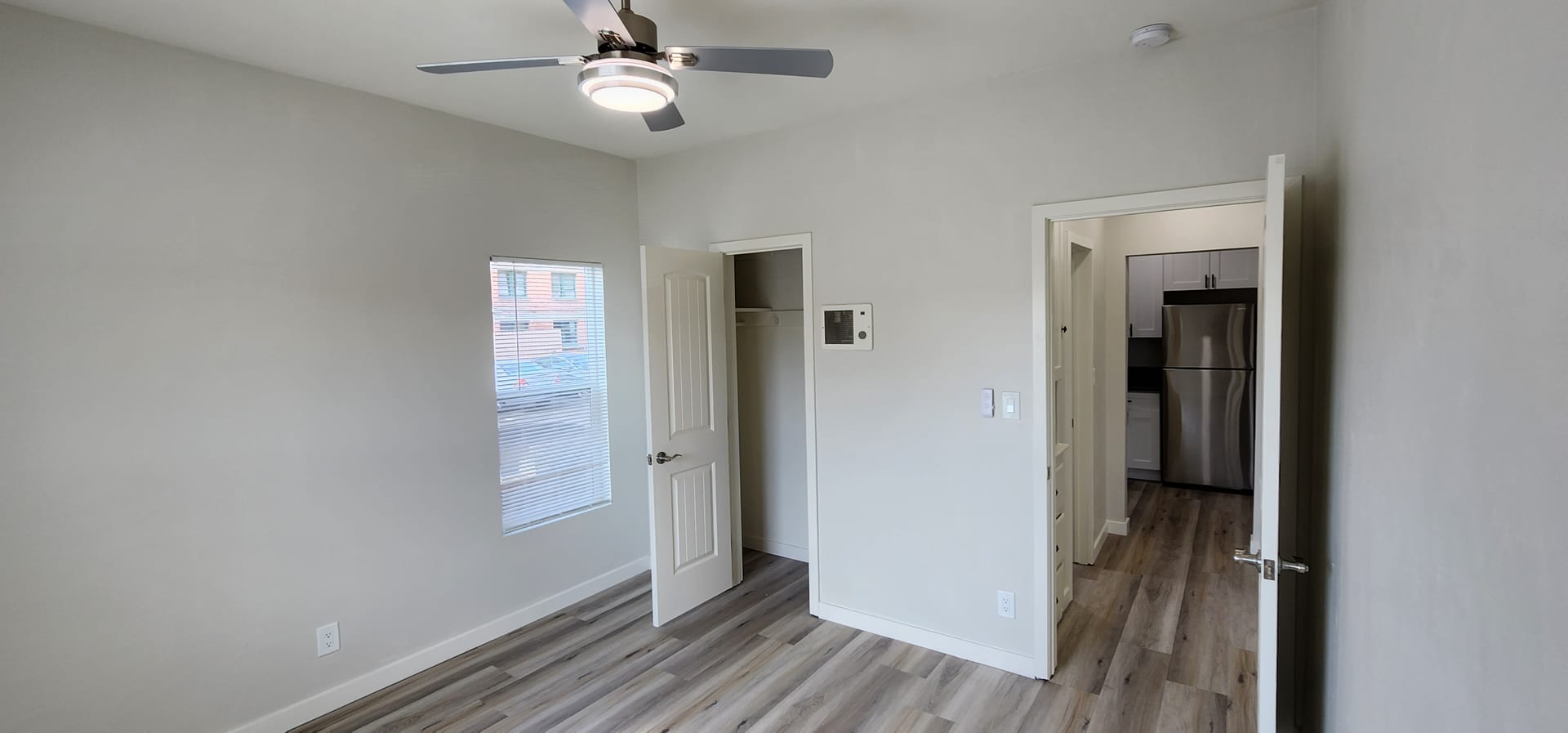
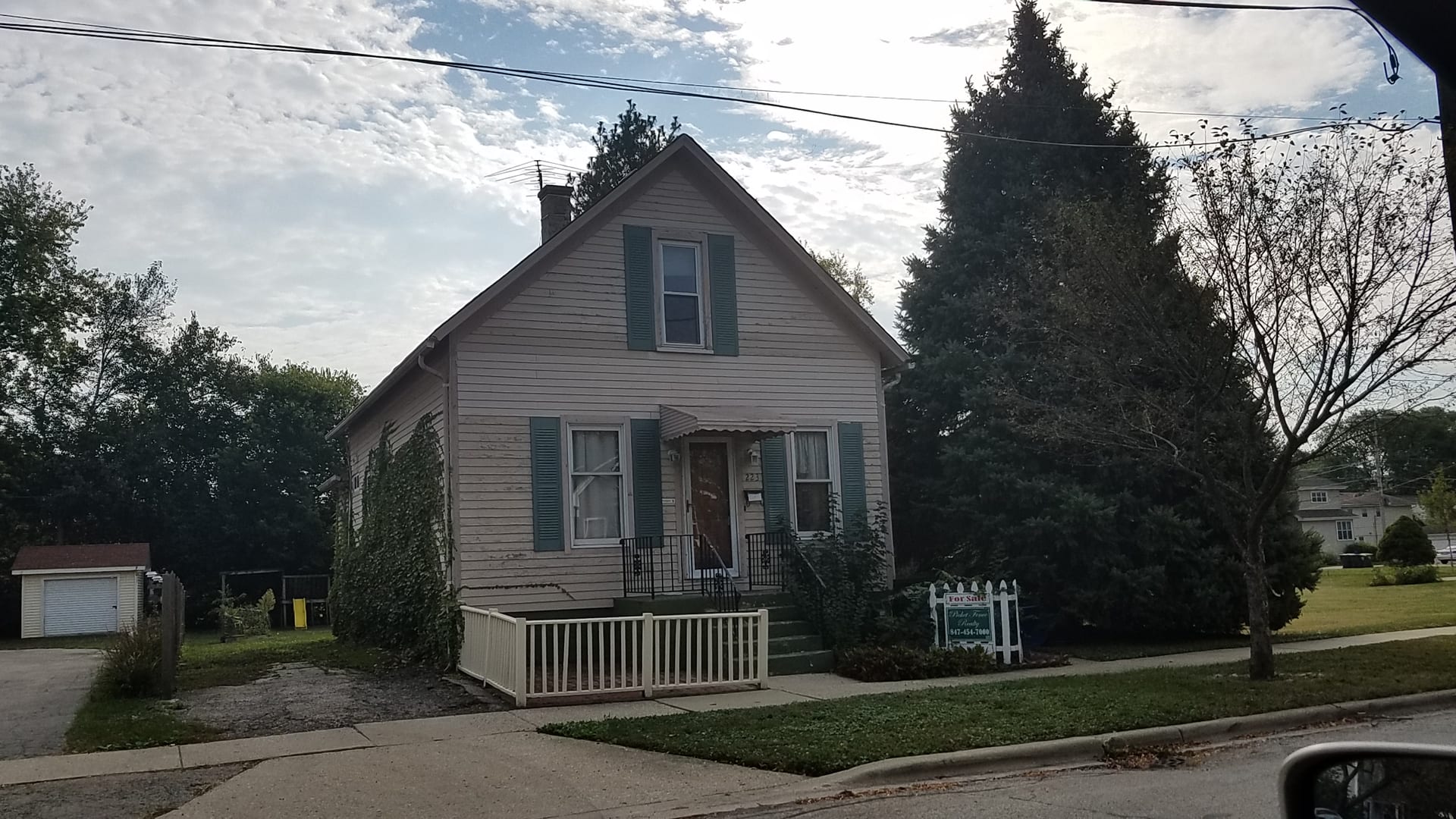
A well-executed addition looks like it was always part of the house. Matching rooflines, siding, window styles, and exterior finishes takes planning and attention to detail. Inside, flooring transitions, ceiling heights, and trim profiles should align with the existing home. The goal is a seamless result, not an obvious add-on.
Mechanical System Capacity
Your existing HVAC, electrical, and plumbing systems were sized for the original home. Adding square footage often means upgrading these systems. A larger furnace or air conditioning unit, additional circuits, or extended plumbing runs may be required. These upgrades should be factored into the budget from the start, not discovered as surprises during construction.
Budget Planning
Home additions typically cost more per square foot than new construction because of the integration complexity. Budget ranges vary significantly based on the type of addition, finishes, and site conditions. A realistic budget includes design fees, engineering, permits, construction, and a contingency. Get a detailed estimate from your contractor before finalizing your plans.
Living Through Construction
If you plan to stay in the home during the addition, discuss the logistics with your contractor. Noise, dust, temporary utility shutoffs, and crew access through your property are all part of the process. A good contractor plans the work to minimize impact on your daily routine, but some disruption is inevitable.
Permit Timeline
Home additions require building permits, and the review timeline varies by jurisdiction. In some cities, plan review takes 4 to 6 weeks. In others, it can take several months, especially if design review boards are involved. Factor this into your overall project timeline so you have realistic expectations for when construction will start.
A home addition is a significant project, and the planning phase is where the most important decisions are made. Take the time to evaluate your options, understand the constraints, and build a team that can deliver the result you need.